Creating A Culture of Mattering With Donors
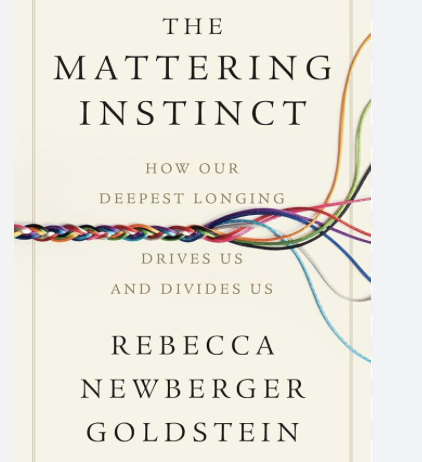
Recently, a number of books have been published on mattering. This resurgence of interest in mattering got me thinking about the role that mattering plays in philanthropy. After 30 years of working with nonprofits as a grant writer, fundraiser, board member, executive director, and donor, I’m thinking about the importance of donor mattering.
Mattering is a psychological concept that sociologist Morris Rosenburg wrote about in 1981 and that psychologist Glen Flett researched in his seminal book The Psychology of Mattering: Understanding the Human Need to be Significant (2018). They argue that mattering is the feeling of being:
noticed and heard
connected with others
valued by others
adding value to others
appreciated by others
It is important because feeling that we matter, or don’t (Prilleltensky, 2020), relates to our sense of:
self and identity
relationships
need for connection and feeling valued
hope
agency
socially integration
resilience, grit, and adaptability
In the last year, three books have come out on mattering that have prompted me to think about the importance of mattering to people who donate to and volunteer for nonprofit organizations.
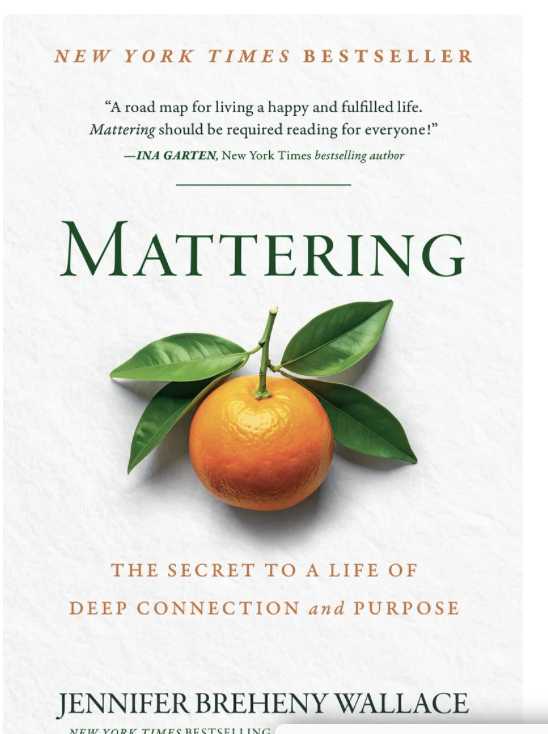
In Rebecca Newberger Goldstein’s THE MATTERING INSTINCT: How Our Deepest Longing Drives Us and Divides Us (2026), she writes, “The mattering instinct is the most peculiar and the most human thing about us.” According to Jennifer Breheny Wallace in MATTERING: The Secret to a Life of Deep Connection and Purpose (2026), mattering is a fundamental human need, essential for well-being. Its erosion is a root cause of modern loneliness, burnout, and lack of purpose. Zach Mercado builds on these ideas from his research on employee performance in THE POWER OF MATTERING: How Leaders Can Cultivate A Culture Of Significance (2025). He writes, “People don’t add value, if they don’t feel valued.” To learn more about Mercado’s work, read my post from November 17, 2025. https://www.debrahollowayphd.com/blog-3-1/create-a-culture-of-mattering
As Mercado asks, “When was the last time you felt valued and that you added value?” Where were you, what was said and done, and how did you feel?
If you donate to nonprofit organizations or foundations, when do you feel that you matter?

When I answer that question, my sponsorship of a student in Kenya immediately comes to mind. For many years, I have sponsored a young woman to attend high school and college through a local nonprofit called Education For All Children (EFAC.org). This student has one year until she graduates from college. Throughout her schooling, she and I have been writing back and forth, sharing bits about our lives and staying in touch throughout the years. This ongoing connection with the person that my donation benefits is incredibly gratifying; it makes me feel that my support truly matters. Next year, I am looking forward to attending her graduation ceremony, so we can meet and celebrate her accomplishment together.
If you are a nonprofit leader, board member, or fundraiser, how do you create these experiences of mattering for your donors?
Donor mattering is the experience donors have when we feel our contributions—and ourselves—are noticed, needed, and effective. It’s distinct from donor satisfaction (did the process go smoothly?) and donor loyalty (will they give again?). Mattering is existential: it answers the question, “Do I, and what I do, make a difference?”
For philanthropy, that question is central. People give not only because of outcomes but because giving affirms identity, values, and connection.
Three dimensions of donor mattering:
Recognition: Donors want to be seen. Recognition goes beyond signage and public thanks; it includes personalized acknowledgment that reflects the donor’s motivations and level of engagement. A meaningful thank-you names what their gift enabled, links it to mission, and acknowledges the giver as a valued agent of change.
Impact: Donors need evidence that their gifts produce results. Impact is not only the long-term metrics nonprofits often report but also immediate, tangible stories that show how an investment translates into improved lives or strengthened programs. Quantitative indicators paired with human stories create a fuller sense of efficacy—Data plus narrative!
Relationship: Mattering is relational. Donors matter when they feel connected to people and purpose—board members, staff, beneficiaries, peers. Ongoing interaction, invitations to witness work in person, meaningful dialogue about strategy, and opportunities for collaborative learning all strengthen that bond.
Why does donor mattering matter for nonprofit health?
Retention and renewal: Donors who feel they matter are more likely to give again and to increase support. Mattering reduces attrition by converting transactional gifts into relational commitments.
Deeper engagement: When donors feel they matter, they move from check-writing to advocacy, volunteering, and stewardship roles. That depth amplifies both financial and nonfinancial resources.
Trust and resilience: Crises test organizations. Donors who feel they matter are more willing to sustain support during hard times because they feel invested in the organization’s mission and survival.
Diversity of support: Making donors feel they matter allows organizations to cultivate different kinds of supporters—small recurring donors, mid-level leaders, major donors—each with personal reasons for giving and different expectations for mattering.
Practices that cultivate donor mattering
Tailored stewardship plans: Move away from one-size-fits-all approaches. Segment stewardship by donor motivation, gift size, and preferred level of involvement. Create individualized touchpoints that reflect each donor’s history and interests.
Purposeful acknowledgment: Acknowledge gifts quickly and specifically. Describe the program or person helped and the tangible result of the gift. Use language that recognizes the donor as a partner, not just a funder.
Transparent reporting: Share outcomes honestly—successes and setbacks. When donors see both progress and challenges, they feel trusted and are more likely to stay engaged.
Invite participation: Offer practical ways to witness impact: site visits, volunteer opportunities, beneficiary panels, or strategy briefings. Participation transforms abstraction into lived experience.
Co-creation and listening: Invite donors into conversations about strategy and program design when appropriate. Solicit their perspectives and show how feedback shapes action. Listening signals respect and builds mutual learning.
Recognize nonfinancial contributions: Time, networks, advocacy, and expertise matter. Publicly and privately value those contributions. A board member who opens doors or a volunteer who extends program reach should be acknowledged as deeply as a major donor.
Pitfalls that undermine donor mattering
Overemphasis on transactions: Treating donors only as sources of revenue reduces them to a dollar amount and erodes mattering.
Generic communications: Mass mailings and templated reports feel impersonal and signal indifference.
Withholding complexity: Sanitizing stories to show only success robs donors of the chance to engage honestly and learn from setbacks.
Tokenism: Symbolic recognition (e.g., plaques, awards) without genuine inclusion or impact doesn’t create lasting mattering.
Measuring donor mattering
Mattering can be assessed qualitatively and quantitatively. Survey donors about whether they feel noticed, needed, and effective. Ask open-ended questions: “What difference has your gift made to you?” Track behavioral indicators: renewal rates, gift increases, volunteer hours, event attendance, advocacy actions. Combine metrics with interviews or focus groups to understand drivers and barriers to mattering.
What are the implications for fundraising strategy and leadership? Leaders, including board members, need to view donor relationships as strategic assets requiring time, training, and authority to cultivate meaningful stewardship.
How do you make your donors—or anyone in your life—feel seen, valued, and needed?